meta pixel
Marketing Metrics That Actually Matter

Marketing Metrics That Actually Matter

Breaking Down the Data

Marketing Metrics
That Actually Matter for Your Bottom Line

Let’s face it: marketing can feel like a black box. You pour time, money, and energy into campaigns, but how do you know if they’re actually working? The answer lies in tracking the right metrics.

But here’s the kicker: not all metrics are created equal. Some are vanity metrics (looking at you, “likes”), while others are the real deal—the ones that tell you if your marketing is driving growth or just burning cash.

So, grab a coffee, and let’s break down the key metrics you need to measure marketing success—plus a few bonus calculations to make your life easier.

Post Date

Mar 18, 2025
Trish McLachlan

Categories

Strategic Marketing
Growth Marketing
Marketing Metrics

Marketing metrics to demonstrate marketing results that matter
marketing reporting that shows ROI
Understanding the important marketing metrics for your investment

1. Return on Investment (ROI)

Showing the sum for how to calculate ROI

What It Is: The ultimate measure of success. It tells you how much money you’re making (or losing) from your marketing efforts.

How to Calculate It: ROI= (Revenue from Marketing−Marketing Costs) / Marketing Costs X 100  

Why It Matters: If your ROI is negative, it’s time to rethink your strategy. If it’s positive, pour yourself a drink—you’re doing something right.

2. Customer Acquisition Cost (CAC)

Showing the sum for how to calculate customer acquisition costs CAC

What It Is: How much it costs to acquire a new customer.

How to Calculate It:  CAC= Total Marketing Costs / Number of New Customers

Why It Matters: If your CAC is higher than your customer lifetime value (LTV), you’re basically paying people to buy from you. Not ideal.

3. Customer Lifetime Value (LTV)

What It Is: The total revenue you can expect from a customer over their lifetime.

How to Calculate It: LTV= Average Purchase Value X Purchase Frequency X Customer Lifespan

Why It Matters: If your LTV is significantly higher than your CAC, you’re winning. If not, it’s time to rethink your retention strategy.

A Printed Marketing Report showing Conversion Rate<br />

4. Conversion Rate (CR)

Showing the sum for how to calculate conversion rate CR

What It Is: The percentage of visitors who take a desired action (e.g., buy a product, sign up for a newsletter).

How to Calculate It: Conversion Rate= Number of Conversions / Total Visitors X 100

Why It Matters: A low conversion rate means your website or campaign isn’t doing its job. Time to optimise!

5. Cost Per Lead (CPL)

Showing the sum for how to calculate cost per lead CPL

What It Is: How much it costs to generate a new lead.

How to Calculate It: CPL= Total Marketing Costs / Number of Leads Generated

Why It Matters: If your CPL is too high, you’re spending too much to attract potential customers. Time to refine your targeting.

6. Click-Through Rate (CTR)

Showing the sum for how to calculate click through rate CTR

What It Is: The percentage of people who click on your ad or link.

How to Calculate It: CTR= Number of Clicks / Number of Impressions X 100

Why It Matters: A low CTR means your messaging or creative isn’t resonating. Time to spice things up!

7. Net Promoter Score

What It Is: A measure of customer loyalty and satisfaction.

How to Calculate It:
Ask customers: “On a scale of 0-10, how likely are you to recommend us?”

  • Promoters (9-10)

  • Passives (7-8)

  • Detractors (0-6)

Net Promoter Score = Total % of promoters – total % of detractors 

Why It Matters: A high NPS means happy customers who’ll refer others. A low NPS? Time to up your game.


8. The Magic Metric:
ROAS (Return on Ad Spend)

Showing the sum for how to calculate return on ad spend ROAS

What It Is: How much revenue you generate for every dollar spent on ads.

How to Calculate It: ROAS= Revenue from Ads / Cost of Ads

Why It Matters: If your ROAS is less than 1, you’re losing money. Aim for at least 4:1 to ensure profitability.

the levels of customer net promoter scores from passive to promoter

The Bottom Line

Tracking these metrics isn’t just about numbers—it’s about understanding what’s working (and what’s not) so you can make smarter decisions.

So, stop flying blind and start measuring what matters. Because in marketing, what gets measured gets improved.

Ready to Turn Metrics Into Results?

If you’re ready to take your marketing to the next level, let’s chat. I’ll help you track, analyse, and optimise your campaigns so you can stop guessing and start growing.

marketing plan strategist strategy

Case Studies & More News

Are you ready to shift things up a gear? Buckle up… let’s get moving!

7 + 15 =

The Ultimate Guide to Crafting a Strategic Marketing Plan for Growth

The Ultimate Guide to Crafting a Strategic Marketing Plan for Growth

The Ultimate Guide to

Crafting a Strategic Marketing Plan for Growth

Having a clear, actionable marketing plan isn’t just a nice-to-have—it’s a must. Whether you’re a small business looking to scale or a larger enterprise aiming to stay ahead, a well-defined strategy can be the difference between thriving and merely surviving.

This guide will walk you through the key components of a strategic marketing plan, using examples and actionable steps to help you achieve measurable growth.

Let’s dive in.

Post Date

Feb 13, 2025
Trish McLachlan

Categories

Strategic Marketing
Growth Marketing
Marketing Plan

marketing strategy for growth
marketing strategies for growth and competitive edge

1. Executive Summary: The Blueprint for Success

Every great marketing plan starts with a clear vision. Your executive summary should outline your business goals, target audience, and the strategies you’ll use to achieve them. Think of it as your roadmap—it keeps everyone aligned and focused on the end goal.

Pro Tip: Keep it concise but impactful. Highlight your unique value proposition (UVP) and what sets you apart from competitors.

2. Company Background: Know Thyself

Before you can market effectively, you need to understand your own business inside and out. This section should cover:

Your Mission and Values: What do you stand for? (e.g., Spicy Web’s “Good Work for Good People”).

Your History: How did you get here? Highlight key milestones and achievements.

Your Offerings: What products or services do you provide? (e.g., Custom Websites, SEO, Paid Advertising).

3. Marketing Goals and Objectives: What Are You Aiming For?

Your goals should be SMART: Specific, Measurable, Achievable, Relevant, and Time-bound. For example:

Increase Revenue by 60% in 12 Months: I achieved this by focusing on SEO as a major growth driver.

Build Brand Awareness: Through award-winning campaigns and thought leadership.

marketing strategy for growth

4. Marketing Analysis: Learn from the Past

To move forward, you need to understand where you’ve been. Conduct a thorough analysis of your past and present marketing activities, including:

Google Ads: Are your campaigns delivering ROI?

Social Media: Are you engaging your audience effectively?

Email Marketing: What’s your open rate, and how can you improve it?

5. Market Analysis: Know Your Playing Field

Understanding your industry and competitors is crucial. Use tools like TOWS Analysis to identify strengths, weaknesses, opportunities, and threats.

6. Target Market: Who Are You Talking To?

Your marketing plan should clearly define your primary and secondary target markets. Create detailed buyer personas to understand their needs, pain points, and behaviours.

Example: The primary target market for an expanding agency might include medium-to-large enterprises with a clear growth plan, while a secondary market might focus on targeting disgruntled customers currently using a competitor.

7. Products & Services: What Are You Selling?

Highlight your core offerings and how they solve your customers’ problems. Be specific about pricing, packages, and unique features.

8. Unique Selling Proposition (USP): Why Choose You?

Your USP is what sets you apart from competitors. It should be clear, compelling, and consistently communicated across all channels.

9. Marketing Strategies & Tactics: How Will You Achieve Your Goals?

This is the meat of your plan. Outline the strategies and tactics you’ll use to reach your goals, such as:

Digital Marketing: SEO, paid ads, social media, and email campaigns.

Events: Hosting industry events or participating in speaking engagements.

PR & Outreach: Building relationships with media and industry influencers.

strategic marketing plan consultant
marketing strategy for growth
marketing strategies for growth and competitive edge

10. Budget Summary: How Much Will It Cost?

A detailed budget ensures you allocate resources effectively. Break down costs by strategy and tactic, and include a contingency fund for unexpected expenses.

11. Implementation Plan: Who Does What, and When?

Your plan should include a timeline and assign responsibilities to team members. Use project management tools to track progress and ensure deadlines are met.

Pro Tip: Your implementation plan should include monthly check-ins, quarterly reviews, and annual evaluations to measure success and make adjustments as needed.

12. Final Thoughts: The Path to Growth

A strategic marketing plan isn’t just a document—it’s a living, breathing guide that evolves with your business. By following these steps, you’ll be well on your way to achieving your goals and standing out in a crowded market.

Remember, the key to success is consistency. Stay true to your values, keep your audience at the centre of everything you do, and don’t be afraid to pivot when necessary.

Ready to Take the Next Step?


If you’re ready to create a marketing plan that delivers real results, let’s talk. Whether you need help with strategy, execution, or everything in between, I’m here to help you turn your vision into reality.

marketing plan strategist strategy

Case Studies & More News

Are you ready to shift things up a gear? Buckle up… let’s get moving!

7 + 8 =

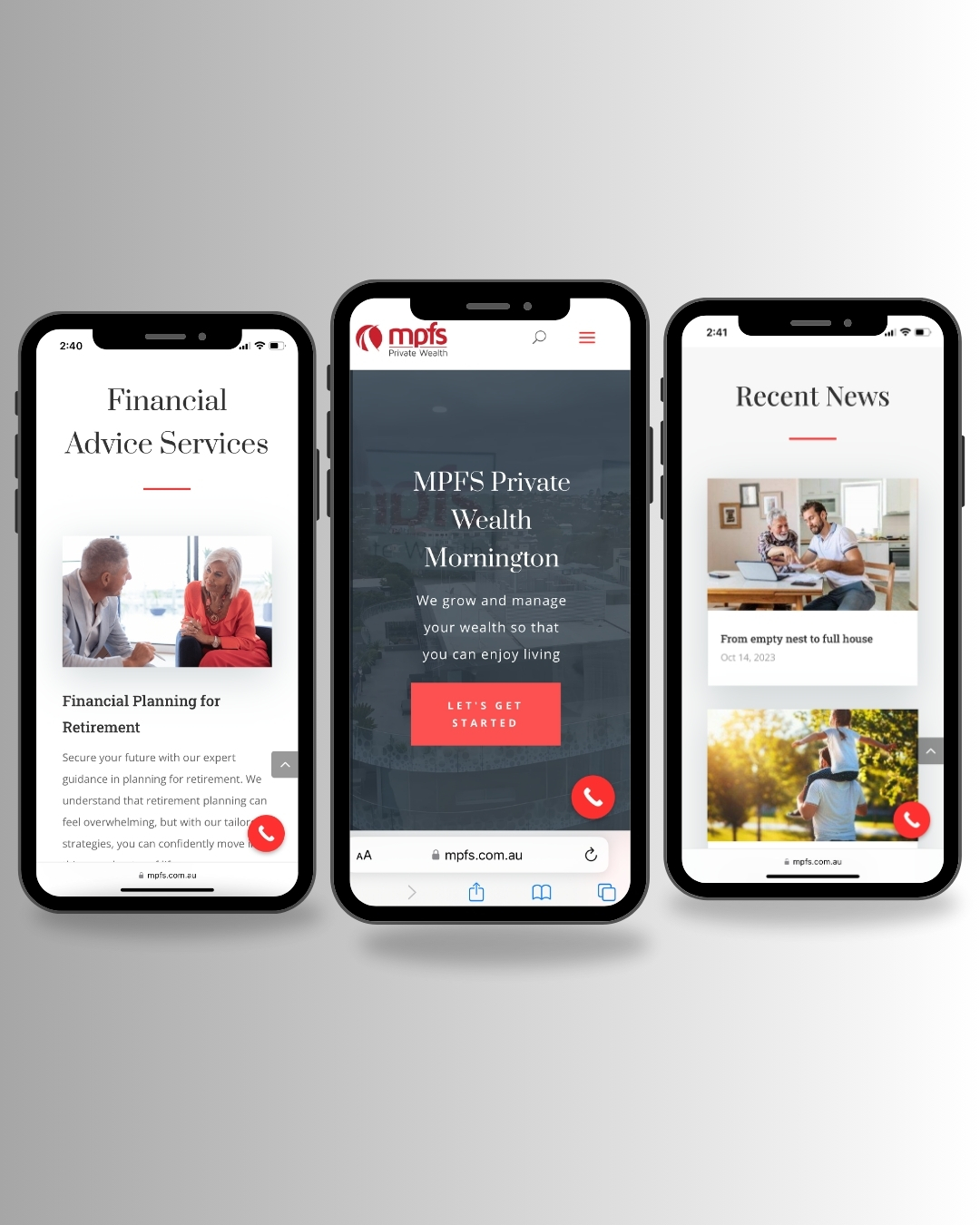
Case Study: MPFS Private Wealth

Case Study: MPFS Private Wealth

Transforming MPFS Private Wealth’s Online Presence to Drive Growth

MPFS Private Wealth, led by Dirk Werner and his team, had been maintaining an outdated website that struggled with slow load times, cluttered messaging, and limited functionality. With a lack of SEO, performance tracking, and professional polish, their site was not only damaging their brand credibility but also restricting growth potential.

MPFS was ready for change. With ambitious growth goals, Dirk needed a complete transformation of their digital presence—a website that would attract, engage, and convert high-quality leads, positioning the business strategically within their target market.

Digital Marketing Case Study MPFS
growth marketing case study mornington

The Challenge

When Catch Me Marketing stepped in, we found several critical issues with the MPFS website:

❌ Load Speed: Slow load times on both front and back ends due to an outdated theme, non-optimised images, and excessive plugins.

❌ Disjointed Messaging: The site lacked a cohesive brand message and professional appeal, eroding client confidence.

❌ Absence of SEO & Analytics: There was no SEO, Google Analytics, conversion tracking, or data insights to guide marketing efforts.

Dirk and MPFS needed a website that would not only perform optimally but would also align with their growth vision, leveraging SEO and Google Ads to attract and convert their ideal clients.

website design mornington peninsula
marketing case study mornington

Our Approach

To revitalise MPFS Private Wealth’s digital presence, we implemented a three-phase strategy: First, we conducted a complete website overhaul, enhancing visuals, optimising for SEO, and crafting clear, conversion-focused messaging.

Next, we set up Google Analytics, Search Console, Tag Manager, and Meta Pixel to track performance, providing valuable insights to inform future marketing decisions.

Finally, we developed targeted Google Ad campaigns to expand lead generation beyond referrals, attracting new clients with ad sets tailored to MPFS’s ideal audiences, leveraging positive client testimonials.

Together, these phases positioned MPFS for increased visibility, engagement, and measurable growth.

Phase One

Updated Visuals: We revamped the site with images showcasing Dirk, the team, and the MPFS office, creating an inviting and trustworthy online presence, connecting the audience with the brand.

SEO & Keyword Research: We conducted extensive keyword research to optimise for high-value search terms to attract MPFS’s target audience.

Consistent, Compelling Content: Through strategic copywriting, we crafted consistent messaging to resonate with prospective clients, emphasising the MPFS value proposition.

Conversion Optimisation: We restructured the site layout to guide users through a seamless experience to encourage lead generation.

website design mornington

Phase Two

To provide MPFS with actionable insights, we implemented Google Analytics, Search Console, Tag Manager, and Meta Pixel to track user behaviour, monitor SEO performance, capture conversions, and enable audience retargeting.

Google Analytics for tracking user behaviour and conversions.

Google Search Console to monitor SEO performance and search term metrics.

Google Tag Manager & Meta Pixel to capture specific conversion events and retarget visitors.

These platforms enabled MPFS to gain a clear picture of what was driving results, providing the data needed to fine-tune their marketing efforts and make strategic decisions.

Phase Three

While MPFS has historically relied on client referrals, we identified an opportunity to capture new leads through targeted Google Ads. Our approach included:

Audience-Specific Ad Sets: Ads were developed to cater to each segment of MPFS’s target audience, leveraging testimonials and Google reviews for added credibility.

Keyword-Driven Campaigns: Each ad set was optimised for keywords with proven search volume, positioning MPFS directly in front of potential clients.

google ads manager mornington

Working with Trish at Catch Me Marketing has been a fantastic experience for MPFS Private Wealth! She took our online presence to the next level with her comprehensive approach to marketing.

Lisa Werner

Partner & Senior Advisor, MPFS Private Wealth

The Outcomes

The digital transformation for MPFS Private Wealth delivered powerful results: website traffic skyrocketed by 3,500%, conversion events surged by over 10,000%, and organic search impressions increased by 14,300%, all contributing to a 20% year-on-year revenue growth.

This strategic overhaul empowered MPFS to attract, engage, and convert high-quality leads, enhancing brand visibility and credibility in a highly competitive market.

%

Business Revenue Growth Year-on-Year

%

Website Traffic Increase

%

Boost in Conversion Events

%

Increased Organic Search Clicks

Conclusion

MPFS Private Wealth’s digital transformation showcases the power of an optimised website paired with data-driven strategies. Through a mix of SEO, engaging content, and targeted advertising, Catch Me Marketing positioned MPFS for sustained growth and visibility in their competitive landscape.

Are you ready to see similar results for your business?

Let’s connect and explore how Catch Me Marketing can help you achieve measurable growth and drive conversions for your business.

Business Hours

Weekdays

9AM - 5PM

Social Media

Contact

Phone

0418 660 550

Address

PO Box 2028
Mornington VIC 3931

Email

hello@catchmemarketingco.com.au

Beyond the Flash: Why Marketing Is More Than Just Ads

Beyond the Flash: Why Marketing Is More Than Just Ads

Marketing Misconceptions: More Than Meets the Eye

One of the most common misconceptions about marketing is that it’s primarily about advertising or other flashy tactics. While creativity is essential, it’s just one part of the marketing puzzle. The core of successful marketing lies in the ability to connect with people on a deeper level, solve their problems, and build a relationship that extends beyond a single sale.

It’s easy to get swept up in the flash of catchy slogans, viral ads, and the latest trends. From the outside, marketing can seem like it’s all about big-budget campaigns or creating the next viral video. However, as seasoned marketers know, true marketing is far deeper. It’s a strategic discipline that involves understanding customer psychology, analysing data, and creating sustainable, long-term value.

Marketing goes beyond superficial visibility and digs into answering fundamental questions:

  • Who is our audience?
  • What do they need or value?
  • How can we build a lasting relationship?

Without these insights, even the most beautifully crafted ads or campaigns are likely to miss the mark. As marketers, our role is to bring together the data and psychology to create a roadmap for understanding and reaching customers effectively.

The Backbone of Marketing: Strategy, Data, and Customer Psychology

Successful marketing is grounded in a solid strategy. This involves rigorous planning, research, and a deep understanding of both the target audience and the business itself. Here’s a closer look at what underpins effective marketing.

1. Customer Psychology

Understanding how people think, feel, and act is essential in marketing. Why do people buy certain products? What motivates them to choose one brand over another? Marketers delve into these psychological questions to understand how to reach customers in a way that resonates.

For example, a business selling eco-friendly products might tap into customers’ desire to make a positive impact on the environment. Through messaging, tone, and positioning, the brand would aim to connect on an emotional level, fostering loyalty among like-minded customers.


2. Data-driven Decision Making

In today’s marketing landscape, data is king. Gone are the days of gut-feeling decisions; marketers now have access to detailed analytics, consumer behaviour insights, and predictive data to inform every decision. Whether we’re analysing website traffic, social media engagement, or customer feedback, data helps us understand what’s working, what’s not, and where to focus next.

This data-driven approach is also a way to test our assumptions and strategies. A campaign may look great on paper, but without the backing of data, we can’t truly measure its success or identify areas for improvement.


3. Long-term Value Creation

Effective marketing is not just about immediate wins; it’s about building a lasting brand. Long-term value creation is often overlooked in favour of quick gains, but sustainable growth comes from a dedication to nurturing relationships. This means consistent engagement, high-quality customer service, and ongoing support. Over time, these elements build trust and brand loyalty, which translates into repeat business and customer advocacy.


marketing strategist mornington

Marketing Requires More Than Just Creativity

While creativity is crucial in marketing, true success relies on blending it with analytical skills, adaptability, and a commitment to building real connections. Here are a few qualities essential to any marketer’s toolkit that go beyond creative prowess.

marketing strategy consultant

1. Analytical Skills

Marketing is as much about numbers as it is about ideas. Understanding and interpreting data is essential to understanding the effectiveness of campaigns, customer behaviours, and trends. From tracking conversion rates to optimising ad spend, analytical skills empower marketers to make smart, data-driven decisions that maximise impact.


2. Adaptability & Agility

The marketing landscape is constantly evolving, and what works today might not work tomorrow. From shifting algorithms to new digital tools, successful marketers stay adaptable, ready to learn and pivot when needed. Agility allows marketers to respond quickly to changes, ensuring their strategies remain relevant and effective.


3. Building Genuine Connections

At its core, marketing is about connecting with people. It’s not just about getting in front of customers but creating meaningful interactions that foster trust and loyalty. Whether through personalised emails, engaging social content, or responsive customer support, marketers who focus on building relationships create customers who are loyal advocates.


Why True Marketing Success Isn’t Always Understood

Unfortunately, the depth of marketing’s role isn’t always recognised. The misconception that marketing is just a series of flashy tactics can lead to undervaluing its impact on business growth. But for those of us in the field, we understand that great marketing is about more than just making a quick sale—it’s about creating meaningful connections and sustainable growth.


Conclusion: Elevate Marketing with Purpose

Real marketing success comes from understanding the customer, interpreting data, and crafting strategies that go beyond the latest trend or campaign. When we focus on building relationships, creating value, and using data to guide our decisions, marketing becomes a powerful tool for sustainable success.

So, the next time someone thinks marketing is just ads or catchy taglines, remember: it’s about building connections, driving long-term growth, and creating a brand that truly resonates. In a world of flashy tactics, purposeful marketing shines the brightest.


Ready to take your marketing beyond the surface? Let’s work together to build a strategy that combines data, psychology, and creativity to drive real, lasting results. Connect with us today to elevate your marketing game!

Why Your Marketing Efforts May Be Falling Flat—and How to Fix It

Why Your Marketing Efforts May Be Falling Flat—and How to Fix It

Why Your Marketing Efforts May Be Falling Flat—and How to Fix It

🚨 You’re putting in the work, but the leads aren’t flowing, and the ROI just isn’t adding up. Sound familiar? It’s a frustrating situation for any business, especially when time and budget are on the line. The good news is that with a few strategic tweaks, you can start seeing better results. Here are some common culprits that may be holding your marketing back and tips to turn things around.

1. Lack of Strategy Alignment

Are your marketing tactics directly supporting your business goals, or are they just isolated actions? Misalignment between strategy and execution is a major roadblock to marketing success. When tactics don’t align with larger objectives, it can lead to wasted time and budget with little impact on your bottom line.

How to fix it:

Start by defining clear business goals—whether it’s lead generation, brand awareness, or customer retention—and ensure each marketing effort is strategically aligned with these goals. Outline specific KPIs that directly relate to your business objectives, so every campaign is working towards a common purpose.

marketing advisor mornington<br />

2. Disjointed Channels

When SEO, PPC, social media, and content marketing operate in silos, they miss the opportunity to amplify one another. For example, running SEO and PPC campaigns with competing keywords can drive up costs and dilute effectiveness. Without a cohesive strategy, your channels may even end up competing with each other, ultimately confusing your audience and wasting resources.

How to fix it:

Integrate your marketing channels in a way that allows each to complement and enhance the others. This approach, known as transmedia convergence, leverages each channel’s unique strengths to reinforce your message across platforms. Align SEO content to support paid search campaigns, use social media to share organic and paid content, and ensure each channel drives traffic to a cohesive brand experience.

multichannel digital marketing consultant

3. Missed and Mixed Messages

Effective marketing is all about consistency and relevance. If your messaging isn’t resonating with your audience—or worse, if it’s inconsistent—you risk losing credibility and connection with potential customers. Many businesses fall into the trap of running ads and publishing content without regular testing and optimisation, leading to underwhelming results.

How to fix it:

Continuously refine your messaging by A/B testing ads, headlines, and calls-to-action. Experiment with different versions of landing pages to identify what resonates best with your audience. Make optimisation a routine practice, regularly reviewing engagement data to understand which messages drive conversions and which ones miss the mark.

4. Ignoring Data

Data-driven decision-making is crucial for marketing success, but it’s often overlooked in favour of instinct or assumptions. When data is ignored, businesses miss valuable insights into audience behaviour, campaign performance, and emerging trends—insights that could significantly boost ROI.

How to fix it:

Make data analysis a core part of your marketing process. Track performance metrics across all campaigns, from social media engagement to website traffic and conversion rates. Use this data to identify what’s working, adjust what’s not, and make informed decisions moving forward. Platforms like Google Analytics, SEMrush, and Facebook Insights offer valuable insights that can shape more effective marketing strategies.

marketing analysis consultant

Why It Matters: Making the Most of a Tightening Budget

The pressure on business owners and marketers to deliver high ROI with tighter budgets is real. These common pitfalls can hold your marketing back, making it harder to achieve results even with the best intentions and hard work.

Taking a strategic approach that aligns efforts, integrates channels, refines messaging, and leverages data can make a world of difference. By addressing these areas, you’ll set the foundation for a marketing strategy that not only drives leads but also maximizes your investment.

Ready to Turn Things Around?

If this sounds like the clarity your marketing needs, I specialise in straightforward, data-backed marketing strategies that are aligned to your business goals that deliver real results. Let’s chat about how we can improve your marketing ROI.

marketing strategy mornington consultant

Digital Marketing

Businesses use social forums to connect people (and brands) online and in a world where there are over 60 Social Networking Apps currently available in digital land…how do you know where to start indianpharmall.com?

The most used social media platforms are Facebook, Instagram, Twitter, You Tube and LinkedIn. You may not need a profile on each of these platforms…it really depends on the type of business you have.

Social media benefits businesses by providing market research, brand awareness, lead generation, relationship building, customer service… the list is endless.

Now, and especially since the rise of the mobile internet, these platforms have become hubs that transform nearly every aspect of modern life—from reading news to sharing vacation photos to finding a new job.

If you’re not using these platforms as part of your social media marketing plan—or if you’re looking for ideas to improve your existing strategy, shoot me a message…through Facebook of course 😉

Call Now Button